Advancing Medical Professionalism
Turning values into action
The ABIM Foundation advances medical professionalism through grantmaking, research, and convening, equipping clinicians, researchers, educators, and health care organizations with the tools, relationships, and support they need to put professional values into practice in a rapidly changing field.
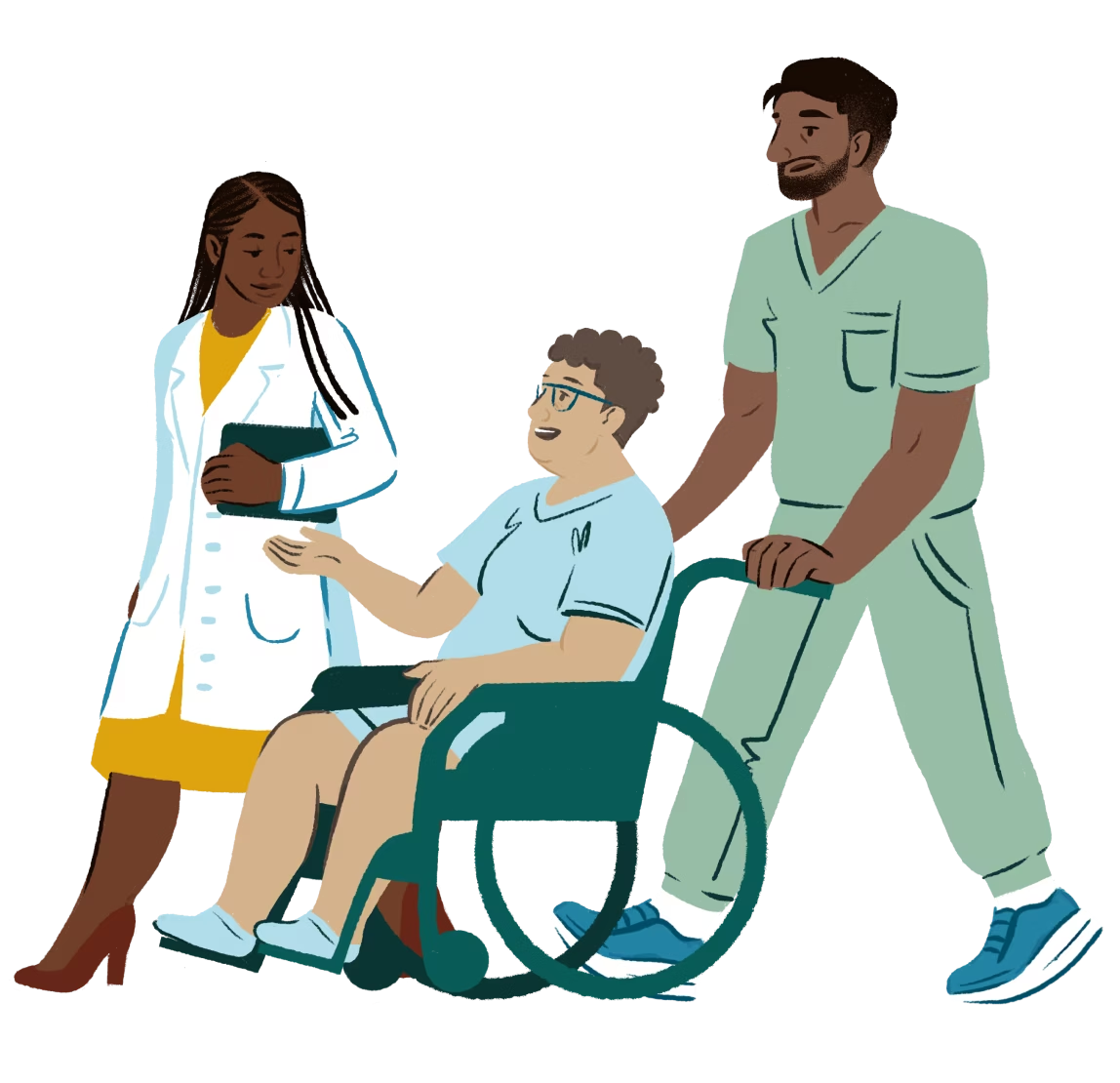
What is medical professionalism?
Medical professionalism is the practice of individuals, teams, and systems to foster trust, humility, respect, and excellence in service of equitable, compassionate, and humanistic care.
Why it Matters
Health care is changing, and trust has become increasingly fragile. Today, medical professionalism requires more than clinical expertise or ethical intent. It requires earning and sustaining trust across the health care ecosystem through relationships, accountability, transparency, and a steadfast commitment to patients.

Advancing medical professionalism is our compass
Medical professionalism is the practical mechanism that preserves medicine's ethical foundation, orienting clinicians, institutions, and the public toward the values that make care worth trusting, even when the landscape shifts.

The Physician Charter
Medical Professionalism in the New Millennium: A Physician Charter is a landmark document that was co-authored by the ABIM Foundation in 2002. The Charter reaffirms medicine's shared ethical commitments at a moment of rising public skepticism. Endorsed by more than 100 organizations and distributed to over 100,000 physicians, its principles continue to inform the Foundation's work as we explore what medical professionalism requires in today's health care environment.
How we do it
Putting medical professionalism into practice
See how advancing medical professionalism takes shape in the real world.
Professionalism in Action Grant Program
Funding the work of advancing medical professionalism
Our Professionalism in Action grant program funds innovative projects that leverage the values of medical professionalism to strengthen trust and improve care.
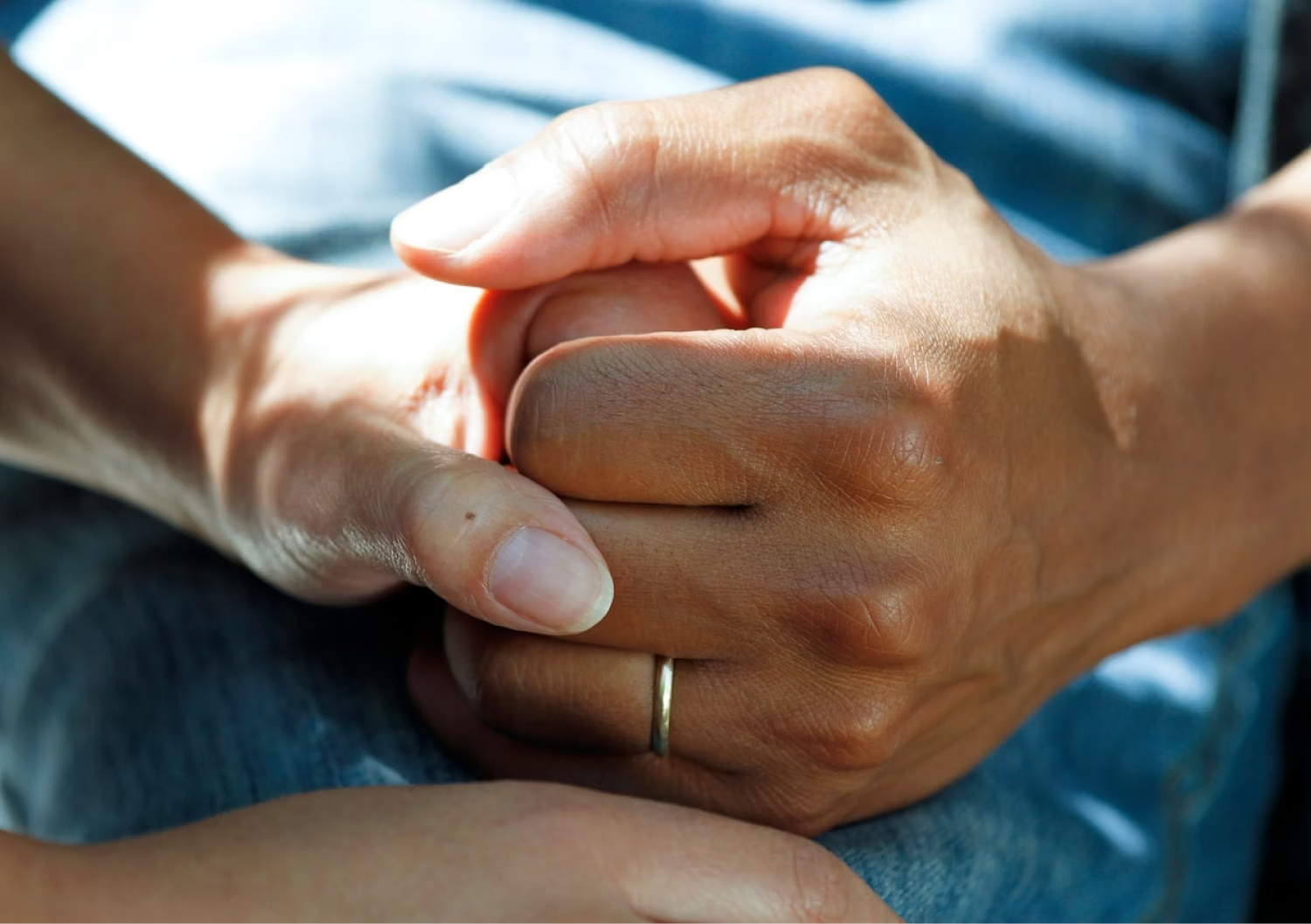
Where the Conversations Happen
Our convenings are spaces for conversations that matter – where people and shared values take center stage.
Our convenings bring people together around the questions shaping the future of health care. We create space for thoughtful dialogue, collaboration, and shared learning among clinicians, researchers, educators, patients, and health system leaders as they examine the challenges facing medical professionalism and explore how the field can move forward together.

Reclaiming Care
Medical professionalism has always evolved with medicine.
If medical professionalism is to remain a meaningful North Star, it must provide a practical roadmap for living out medicine's values within the realities of modern practice, helping clinicians identify where they can act, where they must act together, and how they can contribute to a health care system that is more worthy of trust.
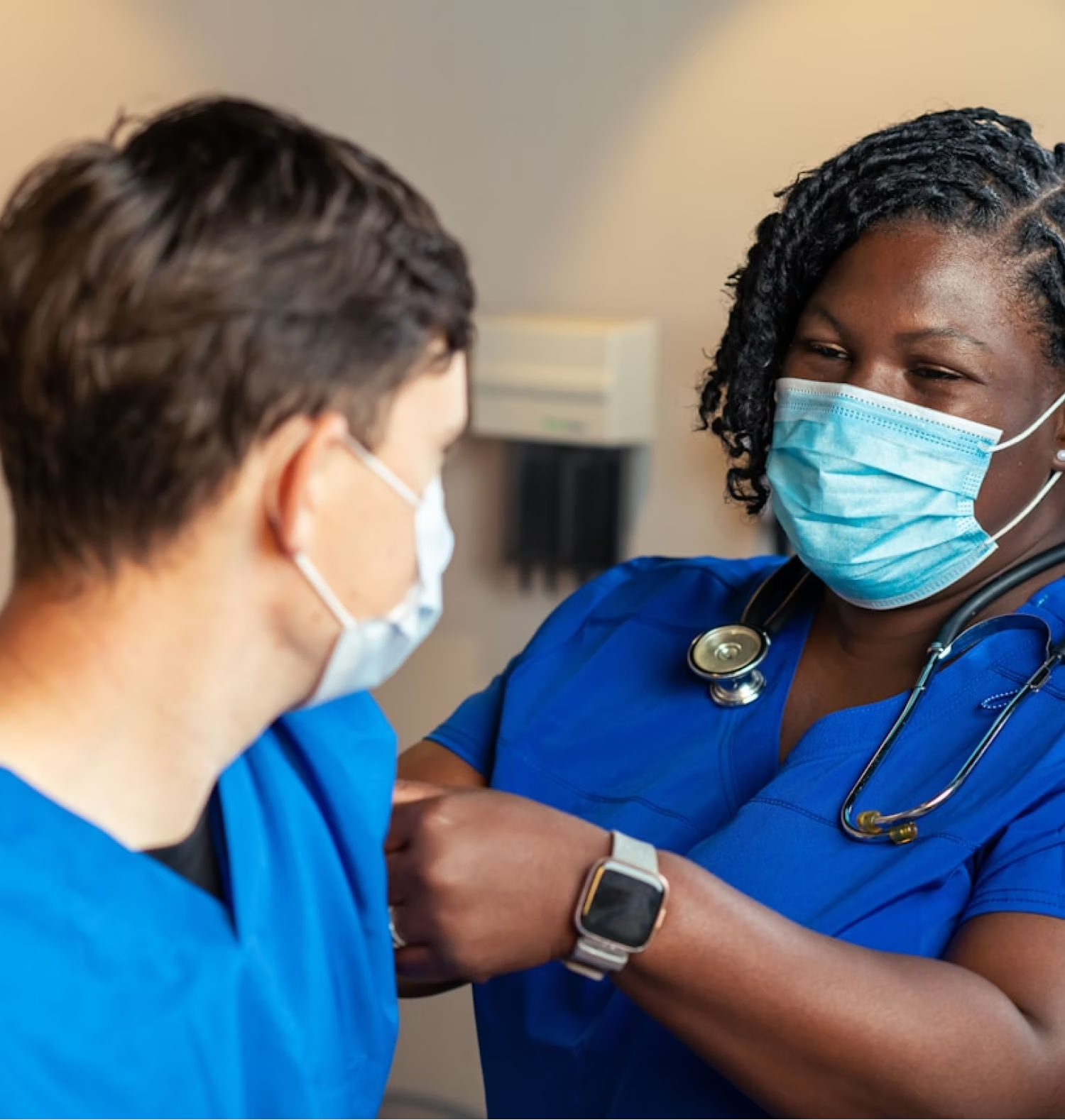
Protecting Human Relationships
Protecting the relationships at the heart of care, even when systems push toward speed, automation, fragmentation, and transactional encounters
Strengthening Professional Agency
Helping clinicians and teams act on their professional values, especially when systems, incentives, policies, or technologies conflict with patient welfare
Cultivating Shared Responsibility & Collaboration
Recognizing that trustworthy care depends on shared responsibility across clinicians, professions, organizations, patients, families, and communities
Ensuring Institutional & Organizational Accountability
Creating organizational cultures, policies, and incentives that enable professional values and make institutions more worthy of trust
Everything we do works toward a profession that holds its moral center, where people and institutions have the agency and accountability to act with integrity, and medicine lives up to its commitments to patients and the public.



What people ask about medical professionalism
Quick answers to the questions we hear most often about medical professionalism in health care, our work, and what it looks like in practice.