Building Trust

Building the trust that patients, clinicians, and care teams depend on

We fund promising ideas, convene people across health care, and amplify practical approaches that help clinicians, organizations, and the profession become more worthy of trust.
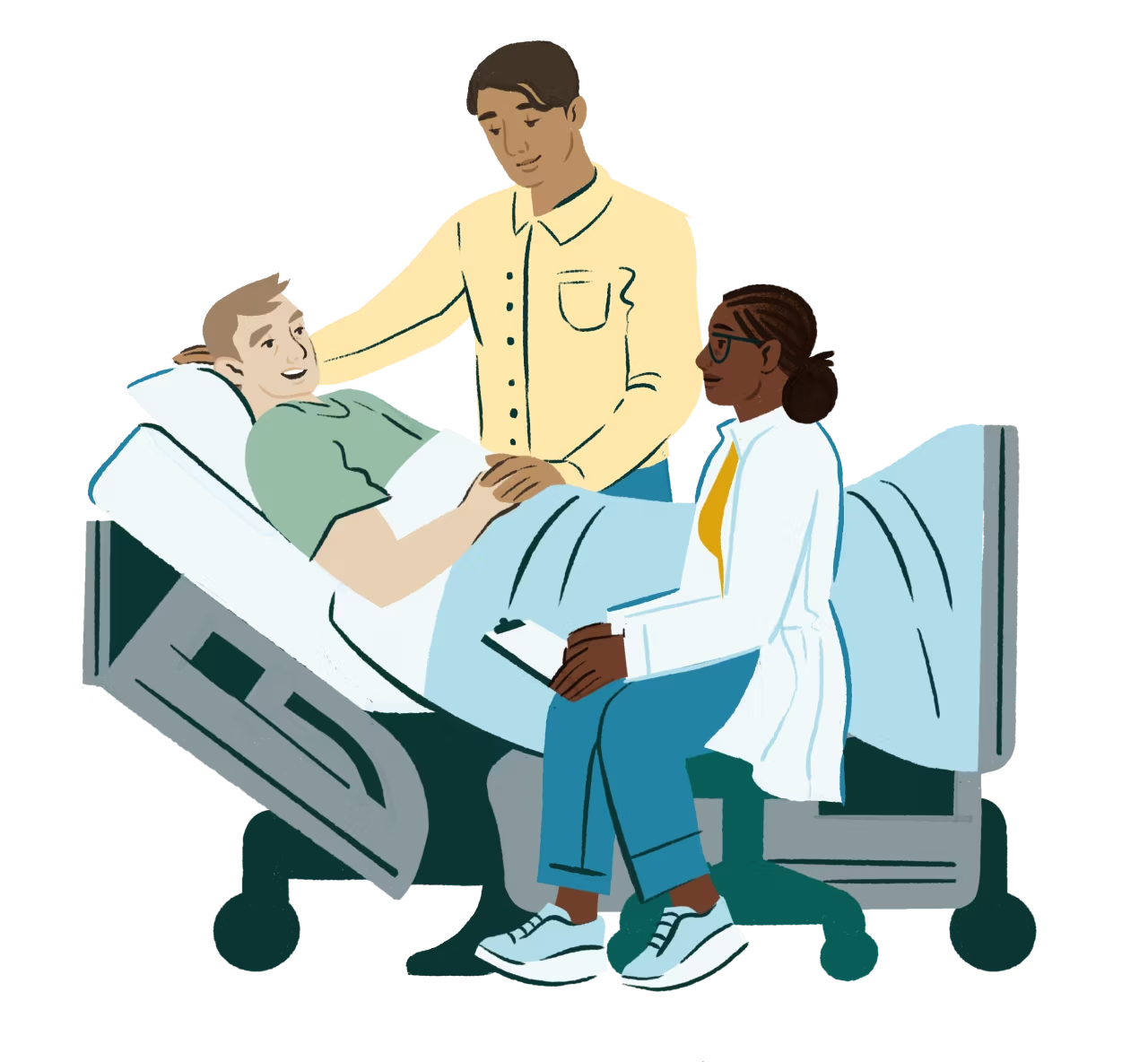
Illustration of a clinician and a caregiver at a patient's bedside

What does it mean to build trust?

Trust makes good medicine possible. It shapes whether patients feel safe seeking care, whether clinicians can work effectively together, and whether communities have confidence in the institutions meant to serve them. Building trust requires attention not only to relationships, but also to the systems and conditions that make trust possible.

Why it Matters

Trust is shaped by people's experiences with clinicians, organizations, and the health care system. Across each of these levels, the evidence points to significant challenges.

40% of Americans report having a lot of trust in physicians and hospitals, down from 72% in 2020.

Source: JAMA Network

52% of physicians cited declining patient trust as the most challenging aspect of medical practice.

Source: The Doctors

70% of people worldwide believe at least one divisive health claim about food, vaccines, or medicine.

Source: Edelman

1
 / 
3
Close-up of a clinician wearing a white coat and stethoscope

Why Trust

Trust is essential to high-quality care. Earning it requires trustworthy people, relationships, organizations, and systems.

How we do it

Putting trust into practice

See how clinicians, organizations, and communities are putting trust-building into practice, from strengthening relationships to changing the systems and conditions that shape care.

UNIVERSITY OF MARYLAND CAPITAL REGION HEALTH

Food prescriptions as part of patient care

What if addressing diabetes and obesity included helping patients put healthy food on the table? University of Maryland Capital Region Health is bringing food support directly into residency training, combining ongoing patient care with access to an onsite “food pharmacy” and tracking how the approach affects health outcomes over time.

Watch Video
Grantee Spotlight

Seeing your patient as family

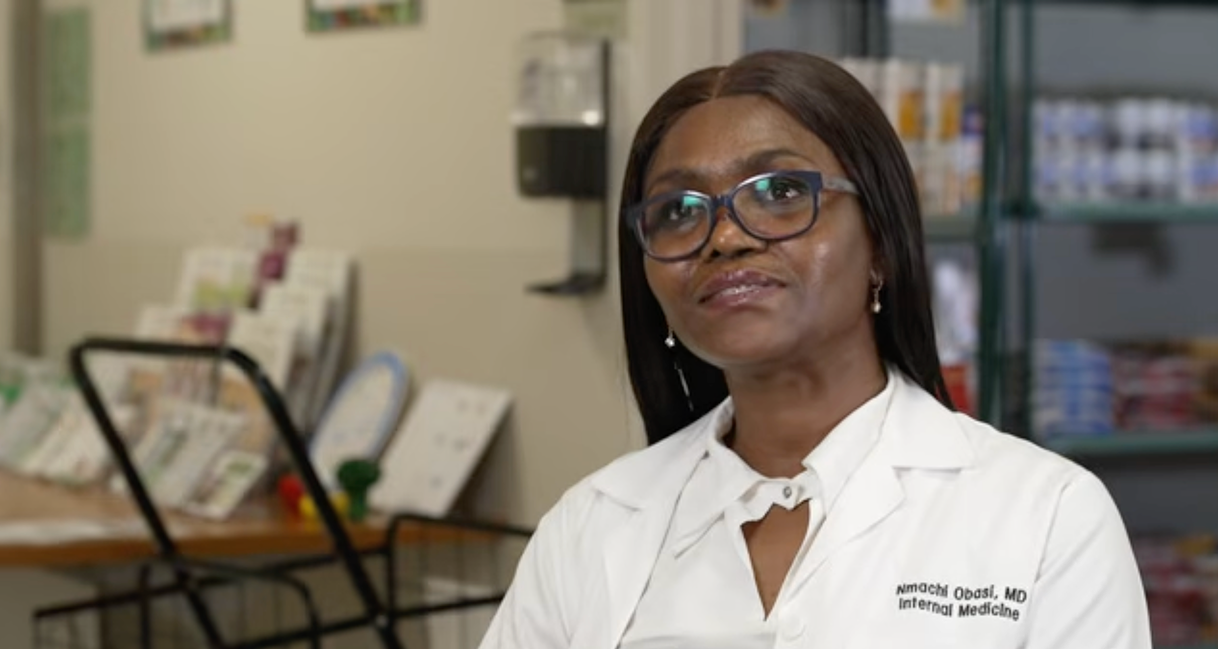
Before every patient visit, Dr. Obasi reminds herself that the person she's about to see is someone's parent, sibling, or loved one. This simple shift in perspective shapes how she approaches each interaction. Combined with one question she asks at the start of every visit, it helps her build trust with her patients from the very beginning.
Watch Video

TRust building Resources

Explore research, stories, and resources from the field

Acquiring Knowledge, Building Trust: Lessons from Resident Training in Population Health

Written by: 

Trust in Health Care: Defend Patients, Not Just Science

Written by: 

Assessing Trust in Health Care: A Compendium of Trust Measures

Written by: 

What people ask about Building Trust

Quick answers to the questions we hear most often about trust, our work, and what it looks like in practice.

Trust is grounded in the expectation that others will act with competence, integrity, and benevolence. Trustworthiness is the set of behaviors and conditions that justify that expectation. Put simply, trust is placed; trustworthiness must be demonstrated.

Trust is at the heart of medicine’s legitimacy and underlies a covenant between clinicians and society. We know that trust is essential to effective health care. Patients who trust their clinicians and health care systems are more likely to seek care and share sensitive information; they even report a higher quality of life. Trust also influences whether people follow their clinicians’ treatment recommendations, accept public health guidance on vaccines and other topics, and feel safe navigating the health care system.

The ABIM Foundation advances medical professionalism and supports the people, ideas, and practices that make health care more worthy of trust. We fund research and practical projects, convene people across health care to learn from one another and tackle shared challenges, and amplify promising ideas and examples that can inform action across the field.

Medical professionalism describes the values, commitments, and practices through which clinicians, teams, organizations, and the profession fulfill their responsibilities to patients and society. Those responsibilities include acting with competence, integrity, humility, respect, and accountability. When those values are reflected not only in individual behavior but also in organizational and professional action, they help make health care more worthy of trust.

Learn more about the ABIM Foundation